Moving in or out of an apartment in Randallstown has its own rhythm. The buildings vary from garden-style walk-ups near Liberty Road to newer complexes with elevators and loading docks closer to Owings Mills Boulevard. Parking can be tight, and some communities have strict time windows for loading. Layer in a budget, and you need a plan that’s realistic, efficient, and protective of your belongings.
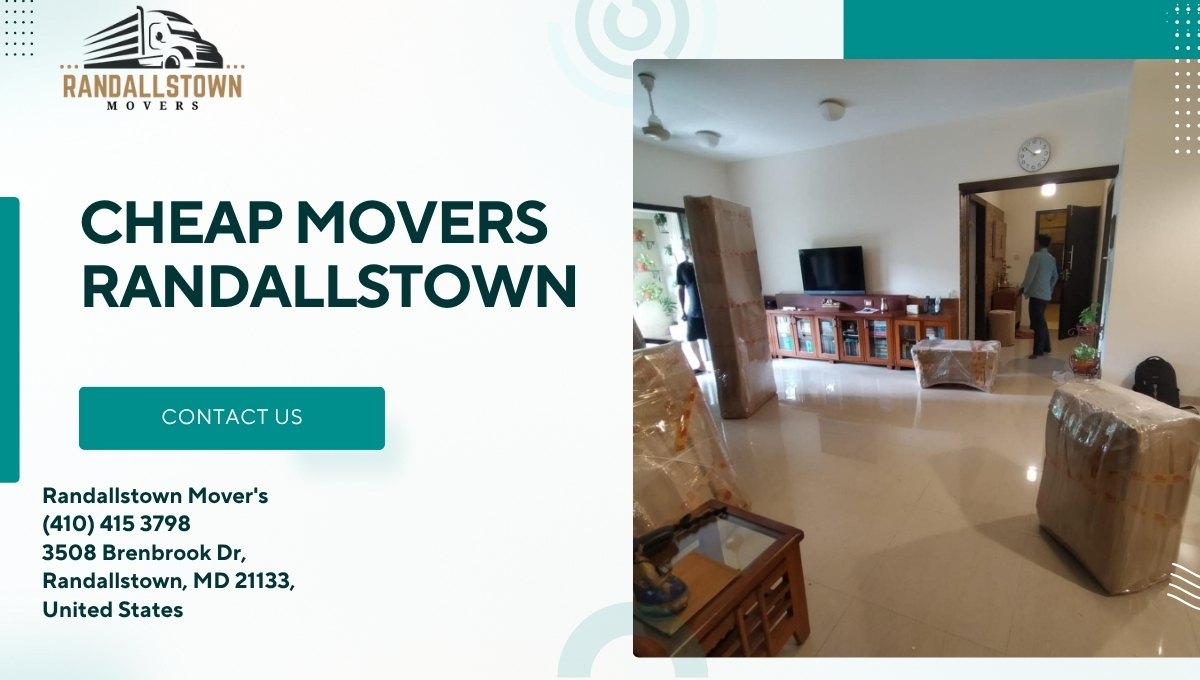
I’ve spent years coordinating apartment moves for students, downsizers, and families upgrading to more space. The best moves look simple from the outside because the hard thinking was done upfront. What follows are seven field-tested tips that help you stretch your budget without trading away safety or sanity. Along the way, I’ll explain when it makes sense to hire Randallstown apartment movers, what separates a solid crew from the rest, and how to approach long hauls with long distance movers Randallstown residents trust. I’ll also touch on office relocations for those moving a home business or switching suites with the help of office moving companies Randallstown teams.
Start with the building rules and the parking reality
Every apartment community in the Randallstown area has its own playbook. Some require a certificate of insurance from your movers, others demand elevator reservations, and a few restrict weekend moves entirely. I’ve seen moves delayed two hours because a certificate didn’t list the property management company exactly as required. Two hours of a moving crew waiting can blow a budget faster than any packing mistake.
Call your leasing office ten to fourteen days in advance and ask direct questions. Do they need a certificate of insurance? What liability limits are required? Is there a dedicated loading area or a first-come curbside zone? Are there quiet hours, freight elevator reservations, or a ban on furniture dollies in carpeted hallways? If you’re on a tight budget, set your move for an off-peak window that lines up with the building’s access rules. Weekday mornings often beat Saturdays on both price and parking, especially around busy corridors like Liberty Road and Marriottsville Road.
In some of the older garden-style buildings, the distance from unit door to parking lot can stretch a move. A 75-foot carry versus a 10-foot carry changes how many crew members you need and how long they’ll be walking back and forth. Ask the property manager to let you measure the route or at least walk it yourself with a tape. Take notes on stairs, turns, and low ceilings. A precise description helps movers price accurately and show up with the right equipment, which saves time and money.
Pack with apartment constraints in mind
Apartment moves reward packing that fits narrow stairwells, tight turns, and elevator thresholds. Your goal is compact, stackable, and uniform. Mixed-size boxes look harmless but cause wasted space on dollies and trucks. When you’re paying by the hour, the number of dolly trips matters more than you think.
Use primarily two sizes of boxes, medium and large, with a few small for heavy items like books. Avoid extra-large boxes, which are hard to maneuver in tight staircases and tend to fail on the bottom when packed with linens. If your building has an elevator with a 3-foot door, test a filled medium box through that opening to see how it rotates. This is the kind of small prep that keeps a move smooth.
Fragile packing is where many budgets go sideways. A broken TV or chipped credenza forces a replacement or repair that dwarfs any savings from rushed packing. Wrap TVs in dedicated TV boxes or, at minimum, foam corners and a snug blanket. For dishware, plates go vertically in a dish pack with padding on all sides. Label with both content and location, such as Kitchen - Dishes - Upper Left Cabinet, and I’ll explain why that phrasing pays off during unload.
If you’re moving out of a fourth-floor walk-up near Old Court Road, plan for stamina. Pack one heavy box for every three light ones so that each load on a shoulder or hand truck is balanced. Over the years, I’ve seen crews shave 45 to 60 minutes off a job simply because the customer packed into uniform, well-taped boxes that stacked cleanly on a four-wheel dolly. Tape matters. Two tight strips along the seam, one perpendicular, and a final wrap to catch the corners reduces blowouts.
Book movers with a clear scope, not a guess
You can move an apartment solo if you have time, friends, and good knees. If any of those are in short supply, a crew of two or three pros pays for itself by turning a ten-hour slog into a three to five-hour job. The trick is hiring smart. When contacting Randallstown apartment movers, ask for a scope-driven estimate. A vague “two movers and a truck at X dollars an hour” tells you very little.
Give them a room-by-room inventory and route details. Include the distance from unit to truck, stair count, elevator size, and any obstacles. Share photos of your largest items: the sectional, the glass-top randallstownmovers.net Randallstown commercial movers dining table, the Peloton. Ask how they protect door jambs and banisters, and whether they bring carpet shields if your building requires them. Good crews carry shoulder straps, rubber wheeled dollies that won’t mar floors, and door stops. If you hear uncertainty about property rules or protection materials, keep calling.
Two movers versus three is a classic budget decision. For a well-packed one-bedroom on a second floor with easy parking, two movers often finish in three to five hours. For a two-bedroom with a long carry or tight stairs, three movers can be faster overall and sometimes cheaper because of fewer total hours. The right number is less about square footage and more about friction: stairs, distance, and item complexity.
Local firms that also operate as long distance movers Randallstown residents use tend to have stronger processes. They think in terms of inventory control and protection because long hauls punish sloppy prep. That mindset helps even on short hops. If you’re combining a small office move, consider office moving companies Randallstown businesses trust for crates and IT handling, which can be rented for a home office at reasonable rates.
Tip 1: Trim the load by 10 to 20 percent, but do it strategically
Decluttering is not about tossing everything into a donation pile the night before. It is about reducing weight and volume where it counts. Bulky, low-value items drive up costs because they take space on a dolly and in the truck but add little utility. Think tired particleboard bookcases, wobbly bar stools, extra dining chairs you never use, and mismatched end tables.
I aim for a 10 to 20 percent reduction by volume. That usually shaves 30 to 60 minutes on a local move. If your old couch barely made the corner on the way in, do yourself a favor and sell or donate it beforehand. Baltimore County donation pickups can book out a week or more during summer, so schedule early. For small electronics or loose decor, box them rather than transporting in open bins. Loose items become time sinks.
There is a limit to trimming. Heavy solid-wood furniture can be worth moving because it lasts decades. A solid dresser that cost you $800 new is often cheaper to move than replace. In contrast, a $169 flat-pack dresser is usually not worth the labor to protect and carry, especially up multiple flights.
Tip 2: Reserve your move mid-week and stack your savings
Prices for labor fluctuate. Saturdays are busy because leases often start on the first of the month. The last week of the month fills up fastest. If you can move on a Tuesday or Wednesday, you may get better hourly rates or more flexible minimums. Start before 9 a.m. to secure parking and align with building staff availability.
Stack savings by timing deliveries. If you ordered a new mattress or sofa for the new place, set delivery the day after you move. Too many moves drag because crews wait for furniture deliveries or share the loading zone with another truck. One truck at a time equals a faster, cheaper day.
Tip 3: Bundle packing help for the last 10 yards, not the entire house
Full packing services are convenient but expensive. A smart compromise is a partial packing block, two to three hours, focused on fragile or high-friction items the day before the move. Let the crew pack the kitchen, artwork, TV, and any glass furniture while you finish clothing and linens. Kitchens consume time because of the density of fragile pieces. A skilled packer with proper dish packs can do in two hours what takes most people four.
If you prefer to pack everything yourself, buy real boxes, not grocery-store leftovers. Uniform sizes save on labor. Ask movers to drop off boxes and packing paper in advance, which many will do for a small fee that you recoup in time saved on moving day.
Tip 4: Stage your apartment like a warehouse aisle
Create a clear path from each room to the door. Stage boxes by size near the exit, labels facing out, heaviest on the bottom. Leave furniture accessible. Disassemble bed frames, remove mirrors from dressers, and bag hardware securely. Tape the hardware bag to the bed slat or place all hardware in a single “Parts - Open First” box. Remove lampshades and pack them nested in a box, shades together and bases together. If you have a sectional, mark the orientation, left or right chaise, so the crew can reassemble it without guesswork.
In walk-up buildings, staging on landings causes friction with neighbors and can violate fire codes. Keep landings clear and plan for clean transfers from unit to stairwell. When the crew arrives, walk them through the plan in two minutes, not twenty. Point out what is fragile, what is going in a car with you, and what must go on last to come off first, like a crib or coffee maker.
Tip 5: Protect the high-risk items like a pro
Apartments have a few usual suspects for damage. TVs, glass-top tables, narrow stairwell corners, and hollow-core doors see the most mishaps. I carry corner protectors for art and mirrors and keep a roll of stretch wrap for furniture with drawers. A moving blanket plus stretch wrap around a dresser keeps drawers closed without tape residue. Dining chairs get blankets if they are wood or upholstered. Loose hardware scratches, so put all screws and small parts in zip bags.
In Randallstown’s older buildings, stair treads and banisters can be worn. Ask the crew to pad the banister at turns and tape down neoprene runners or carpet film if the property allows it. A 5-minute setup saves on building fines and deposit deductions. For front doors, a padded door jamb protector prevents dings when carrying long items like mattresses.


If you or the movers are carrying a memory foam mattress, keep it flat. Bending it into a tight elevator is a common mistake that causes creasing. Roll it in a mattress bag and angle diagonally in the elevator when possible. For queen and king frames, bring the right hex key or driver, not a stripped multi-tool that will slow you down.
Tip 6: Load for the unload to slash your setup time
The fastest unloads happen when the truck is packed in reverse order of need. Items you want first go on last. Most people underestimate how much time they spend searching for essentials at the end of a long day. Pack an “Open First” set: a kitchen tote with mugs, coffee, a pan, dish soap, and a sponge; a bathroom bag with towels and toiletries; a tools and parts box with a drill, bits, scissors, and a level; bed linens and pillows bagged together.
When labeling boxes, pair content and destination with a little precision. Primary room plus secondary detail beats vague labels. Bedroom - Closet Off-Season tells the crew where to go and tells you whether to open it tonight or next week. The payoff is fewer questions and faster placement. If your new complex near Liberty Exchange has elevators on the far side of the building, ask the crew to stage by room groupings at the truck. This reduces elevator trips.
For apartments with elevators, do not overload the first push. A good rhythm is two stackable dollies and one hand truck per crew of three. Elevators have cycle times. You want to match your loading pattern to the elevator’s return, not crowd the lobby and block neighbors.
Tip 7: Compare local, long-distance, and hybrid options before you commit
A short move across Randallstown is typically a local hourly job. A longer relocation to the Eastern Shore, Northern Virginia, or beyond calls for different math. For long hauls under 300 miles, a dedicated truck from long distance movers Randallstown families use can be cost-effective if you have enough volume to fill a small box truck. For smaller loads, a shared or consolidated shipment reduces cost but adds delivery windows. Be honest about your flexibility. A three-day delivery window saves money, but if you must sleep in your own bed the first night, pay for the dedicated run.
Hybrid options include renting a portable container for curbside loading, then hiring local labor on each end. That can work in single-family driveways, but many Randallstown apartment communities restrict container placement. Some prohibit pods entirely. Check rules before you book. If your building allows short-term curbside containers, reserve a permit with the county if required, and place cones to hold the space the night before. Wind can move cones, so tie them to weighted bases.
If your move involves a home office or small suite near Liberty Road, consider office moving companies Randallstown businesses rely on for IT disconnect and reconnect, cable management, and e-waste recycling. Even for a home office, renting rolling computer crates with antistatic liners keeps your equipment safe and organized. Label cables before disconnecting, not after.
What a realistic budget looks like in Randallstown
Budgets vary by season and availability. For a one-bedroom apartment with straightforward access, two movers and a truck might run three to five hours plus a travel fee. A two-bedroom on a third floor with a long carry often benefits from three movers and can range five to seven hours depending on prep. Packing time is separate if you add it. Remember that a well-prepped apartment shrinks the labor more than any coupon.
Call three providers, compare not only rates but also minimum hours, travel charges, and equipment. A slightly higher hourly rate with a two-hour minimum can beat a lower rate with a four-hour minimum for small jobs. Ask about fuel surcharges, stair fees, and long-carry thresholds. Good companies explain these clearly. If someone quotes a number that sounds too good to be true without seeing an inventory, it usually is.
Insurance and responsibility, in plain language
Moving companies carry two kinds of protection. Basic valuation, included by law in many states, pays by weight, not the value of the item. You’ll see numbers like 60 cents per pound. That means a damaged 50-pound TV nets $30, which won’t replace it. Full-value protection, sometimes called replacement coverage, costs more but covers repair or replacement subject to deductibles and declared value. For high-value items, ask about specific declarations and exclusions. Pack your own fragile items only if you’re confident in your skills, because many movers will not cover customer-packed boxes for internal damage unless there is visible exterior damage.
If your building requires a certificate of insurance, request it as soon as you book the job. Confirm the exact wording the property wants on the certificate. A morning spent chasing a corrected certificate is a common and expensive delay.
A micro-itinerary for moving day that actually works
Here is a tight sequence that keeps momentum without turning the day into chaos. Use it as a flexible guide.
- 7:30 a.m. Confirm elevator reservation and loading zone with the leasing office or security if required. Place door stops and protectors in the unit and hallway. 8:00 a.m. Crew walkthrough. Clarify fragile items, must-go-last items, and anything riding with you. Show the path, stairs, and truck position. 8:15 a.m. Start loading with boxed goods. Furniture pads staged near the door. Disassemble remaining beds while boxes are rolling. 10:30 a.m. Final sweep of rooms. Check closets, balcony storage, and behind doors. Photograph clean conditions if you want deposit protection. 11:00 a.m. Head to the new apartment. On arrival, protect floors, confirm elevator access, and direct room placement using clear labels.
Keep snacks and water handy. A well-timed break saves time later because fatigue causes mistakes and rework.
Edge cases and how to handle them
Elevator outage the morning of your move? This happens. Ask whether your lease allows rescheduling without penalty if the building is at fault. If rescheduling is impossible, adjust crew size. A two-person crew that was fine for an elevator job becomes a slog on stairs. Adding a third mover can turn a six-hour stair haul into four hours.
Rain is common in Maryland spring and fall. Bring extra moving blankets, shrink wrap, and plastic mattress covers. Ask the crew to stage inside the building entrance and run shorter, faster exterior trips to reduce water on floors. Protect the truck ramp with anti-slip mats. Waterlogged cardboard fails, so double-tape bottoms and keep the heaviest boxes off the bottom of stacks in wet conditions.
Tight stair turns challenge large sofas and tall wardrobes. Measure your largest pieces and the stair geometry a week before the move. If your sofa won’t make it, plan a balcony hoist only if the property allows it and the crew is trained. Many apartment communities forbid exterior hoists for safety. An alternative is hiring furniture technicians to partially disassemble and reassemble the piece at a reasonable cost.
Pets complicate move day. Keep cats and small dogs in a closed bathroom with a sign on the door. Movers are focused on load paths, not spotting escape artists. A missing cat creates panic and halts the job. Pack pet supplies in a clearly marked box so you can set up their space right away at the new place.
Working with pros, not against them
You hired movers for their system, not just their strength. Give them room to run that system. Your role is to set the constraints and make decisions quickly. Be available for questions, but avoid micromanaging every dolly load. If you want to help, break down light boxes near the door, carry small plants, or shuttle delicate items in your car. Lifting alongside the crew can complicate liability if something goes sideways, and mismatched pacing often slows the job.
If you see a safety risk, speak up. Loose railings, wet floors, or a wobbly ramp need attention. Good crews appreciate that. Tipping is customary for strong performance. The numbers vary, but many clients tip 10 to 20 dollars per mover per hour on exemplary jobs, or a flat amount per mover. Tip what aligns with your budget and the service level you received.
When to upgrade from a simple move to a managed one
Some apartment moves deserve a project manager, even if that sounds fancy. If you’re combining households, moving storage contents, or juggling an out-of-state start date, a managed move brings coordination you cannot buy hourly. Companies that act as long distance movers Randallstown homeowners recommend often offer this service for complex local moves too. They handle vendor schedules, certificates, and specialized services like crating artwork or moving a piano.
For home-office relocations that border on small commercial moves, partnering with office moving companies Randallstown teams can supply IT carts, secure file handling, and after-hours building access. You avoid downtime because the crew understands how to stage equipment for quick reconnects.
The small details that make the new place livable on day one
By the time the last box lands in your new unit, decision fatigue sets in. Prep for that moment. Make the bed first. Assemble one table, even if it’s a folding one, so you have a surface for keys, tools, and takeout. Plug in lamps before the sun sets, and set up the shower with a liner and towels. Put the coffee station in place. Moving is physical, but it is also psychological. A few functional anchors make the space feel like yours immediately.
Save all hardware bags in one clear container and keep the drill charged. Put a box cutter and a trash bag in your pocket. Break down empty boxes as you go to keep pathways clear. Schedule a big-box recycling drop-off or pickup for the next day if your complex limits dumpster use.
A straightforward checklist for the week before
- Confirm elevator reservations, parking permissions, and certificate of insurance details with the building. Measure the largest furniture and the tightest turns at both ends. Stage and label boxes with room and content detail, and disassemble bulky pieces early. Book a partial packing block if your kitchen or art needs pro hands. Arrange child or pet care for move day, and plan your “Open First” essentials.
These are not heroic tasks, just the ones with the best return on time.
Final thought
A budget move is not a bare-bones move. It is a disciplined one. Work with reality, not against it: the building rules, the parking constraints, the route, the elevator schedule. Choose movers who understand apartment logistics and can speak clearly about scope, protection, and timing. Whether you are going three miles toward Owings Mills or three states south and coordinating with long distance movers Randallstown residents rely on, the same principles hold. Prep precisely, load intelligently, and control the friction points. That is how you move efficiently without overpaying, and how you walk into the new place ready to live, not just ready to unpack.
Contact Us
Randallstown Mover's
3508 Brenbrook Dr, Randallstown, MD 21133, United States
Phone: (410) 415-3798